Showing posts with label memoir. Show all posts

Friday, June 15, 2012

What I'm Reading -- French Edition

Photobucket
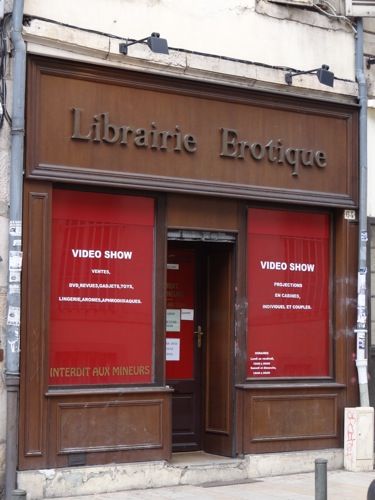
I'm NOT reading the offerings in this bookstore across the street from my apartment

Traveling for me can be as much about what I’ll be reading as what I’ll be packing.  For a long trip, like this summer’s five weeks in France, I want to be reading with intention, especially since this is as much as anything a trip to focus on my writing.  The literature for a trip like this goes a bit sideways of the beside-the-pool-summer-bestseller selections.  Without getting too heavy, the books I like take me deeper into a trip by letting me think about where I am and who I am.

No, no, wait.  It’s not as stuffy as all that.  It’s just that I want to read something that gives me more history than the placards alongside the doors of the 16th century grand mansions or something that gives me a bit different perspective about how to travel well (we spend so much more time considering the “where” than the “how”).  And, of course, for this writing trip (it’s not all crème brûlée and crêpes), I’ll need some writing inspiration.

So for your week-end consideration, here is short tour of my France reading list.

Emile Zola Au Bonheur des Dames (The Ladies’ Paradise) and J’Accuse
Dijon has a square near our apartment called Place Emile Zola.  One of the oldest restaurants there is called “The Germinal” after one of the writer’s most significant epic works that dramatized the fall of the bourgeoisie and the rise of the worker.  The Ladies’ Paradise continues along that vein as part of a series of books about a single Paris family that grows its wealth through the large department store it owns.  In this book Zola takes on the growth of 19th century capitalism and consumer culture, changing sexual attitudes, and class conflict.  J’Accuse is Zola’s protest of how the French government handled the Dreyfus Affair.  These may not seem like light vacation reading, but Zola was interested in how the environment shaped behavior, so his novels give me an understanding of French culture in a way no guidebook or history book can.

Phil Cousineau The Art of Pilgrimage
Cousineau examines how travelers engage with each new place they encounter.  He offers anecdotes and lessons that teach us how to build a personal journey and savor our moments.  He doesn’t propose all trips should be religious expeditions, but shows us how to travel with intention so that we see more than just the sites when we are on the road.  If you are only an armchair traveler, the book can show you how to simply journey through your own place or day with more intention and awareness.

Lavinia Spalding Writing Away This book teaches me both how to travel and how to write.  It’s all about keeping a travel journal, even down to what writing tool to use (never, ever, ever use a pencil for a journal).  With my pile of trusty Moleskine notebooks, I’ve vowed on this trip to journal more consistently than I have in the past.  Spalding will make sure I get it done.

Eric Maisel A Writer’s Paris
I may not make it to Paris this trip, and I won’t take up residence in France for a year as he does in this book, but Maisel does let writers see how necessary stepping outside of daily routine and declaring a writing sabbatical can be to productivity.  His exercises and examples of new routines work even if all you can manage is to squeak out a long weekend only a few miles from home.  The greatest danger of this, however, is that you will be tempted to use the place you visit as an escape rather than as inspiration.  Don’t worry -- he is great at guilting you into put your nose to the task.  Even if you’re not a writer in Paris, all of his cultural and historical anecdotes and sidebars make it a unique travelogue to that endlessly fascinating city.  Or you could apply all of his techniques to any other extended creative endeavor you resist completing.

Sven Birkerts The Art of Time in Memoir: Then, Again
With memoir’s “careful manipulation of vantage point, it gives artistic form to what is the main business of our ongoing inner life.”  Birkerts examines several literary memoirs (as opposed to the merely sensational ones) to discuss how the writer’s present self can reflect back on his present self, reflecting on patterns encountered in events rather than simply giving in to chronology as a guiding structure.  I haven’t gotten very far in it, but the odds are in this book’s favor right now.

And so begins my summer in France.  If you’ve read any of these books, please jump in with your own review.  If you have any other recommendations for books on how to travel well, by all means do not keep them to yourself.  Please share in the comments box.

And as I was asking before I left town, if you have anything you’d like to suggest as blog post or photo themes, let me know.  Some suggestions or photos may not make it into blogs, but “friend” me on Facebook where I’ll also be posting verbal or digital snapshots of the trip.


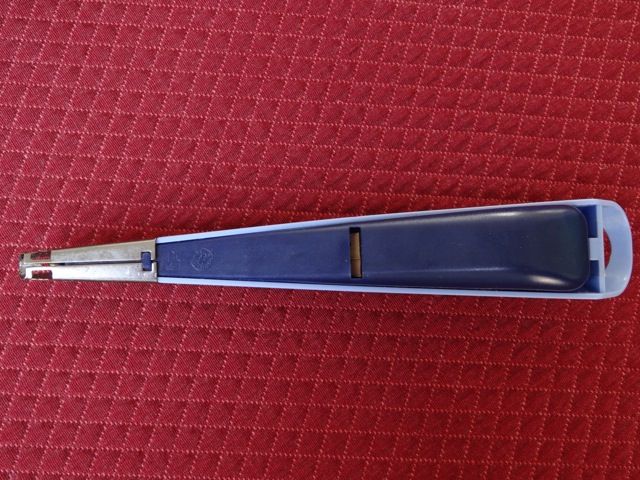
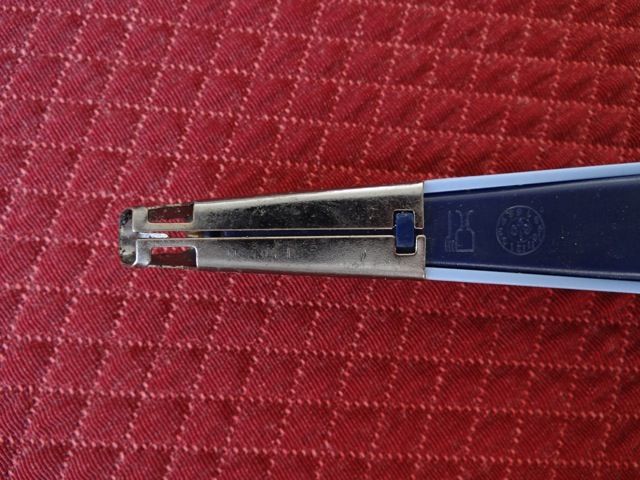
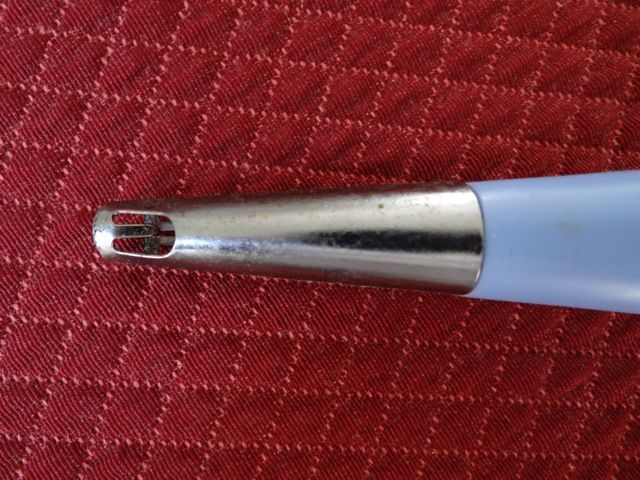
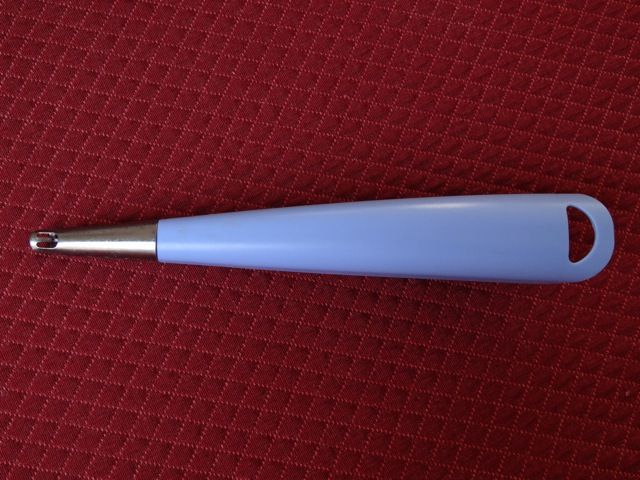
Calling all culinary experts!  Be the first person to tell me what this kitchen tool is that I found in the utensil drawer of my apartment.  If a web search shows you are correct you WIN A PRIZE.  For enlightening me so thoroughly you’ll win a postcard from France (everybody likes real mail, right?)  Yes, I know it’s not the same as winning an actual trip to France, but leave your answer in the comments box, along with how I can contact you further for your address if you’re a winner.
Photobucket
Photobucket
Photobucket
Photobucket

Wednesday, May 30, 2012

Bored Games Kids Play

53012_play1
 Sometimes the most exciting games require little more than space
School’s almost out for the summer.  I know that because the neighborhood grade school just held its field day at the park up the street.  For many of these kids, summer means computer camp, or summer school, or art camp, or circus camp, or 8 weeks of sleep-away camp in a place halfway across the country, or heading out of state to their family’s summer home someplace cooler and less humid.  The one thing that the kids in my community don’t do in the summer is get bored.  Are the only games they know digital and Hunger?

I remember summer boredom well when I was a kid.  As I recall, it didn’t kill me and didn’t cause my brain to deteriorate.  At least I think it didn’t.  Maybe I could have founded a multi-billion dollar technology start-up or had written a best-selling novel by age 25 if I had never been allowed to be bored.  But there it is.  My parents didn’t care enough for my future or safety because they left me to spend the summer sitting in a friend’s tree house reading Nancy Drew books or let me take off on my bike in the morning to ride all over town (without a helmet – egads!) and not return until dinner.  Or I just sat around playing solitaire all day.

Summer boredom was great.  During the day my friends and I would be so bored we’d start peeking in the windows of empty houses or climbing into the loft of the one remaining barn in the area and make up stories of murderers and ghosts and criminals on the Most Wanted lists who clearly had taken up residence as evidenced by an abandoned hammer in the corner or a light bulb burning at night.

We were bored enough to sit in the driveway past midnight telling ghost stories about the crazed killers who escaped from insane asylums and were out to get all young lovers parked on country roads or teenage girls babysitting alone on a Friday night.  We were bored enough to play 20 rounds of the card game Slap Jack in the breezeway of our unairconditioned 60s ranch homes.  We were bored enough to play kick ball in the street until the complete darkness set in and the porch lights failed to illuminate our game.

I went to a morning music camp a couple of weeks each summer.  And I went to a week of Bible school when younger.  But for all my friends, the summer was the same.  Morning was reserved for doing our household chores.  We ate hot dogs and Campbell’s soup for lunch.  Then we started knocking on each other’s doors saying, “What do you want to do?  I don’t know, what do you want to do?”

Everyone likes to let loose on a hot summer afternoon
Photobucket

We had a bottomless well of games to play.  Games with cards.  Games with balls of all sizes.  Games with ropes.  Games that required no equipment at all, like Freeze Tag.  Or games that didn’t require anything more than a piece of chalk and small stone – not even friends – like Hopscotch.

I don’t much remember my kids playing games during their summers.  They did play cards.  However, as much as I wanted to resist it, I became one of those parents who started scouring the local papers in March for suitable summer programs.  Why?  Not because I thought it was better than sitting around being bored.  I did it because everyone else was, which meant no kids were around for most of the day (or evening, because of organized sports) for my kids to play with.  They were kids when dodge ball was discouraged because someone’s body or feelings might get hurt.  They were kids during the rise of the video screen.

Are childhood games a thing of the past?  Canadian writer Marijke Vroomen Durning has asked that question on her website Games We Used To Play. It grew out of a question about whether we are losing the art of play.  The site is a way to relive the games we remember and see if they connect with someone else. She asks readers to submit the games and their rules to the site, so pop on over and see if one of your favorites is there. 

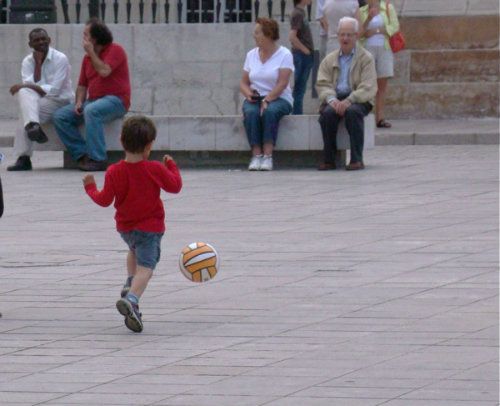
As a post-script, last week a flyer came attached to an e-mail from my neighborhood association president.  Apparently there will be a family kickball night soon up at the park.  All adults and children welcome.  Yep, that’s the way things go now.  It would never occur to the kids on my street today to grab a big, red rubber ball and kick it around until dark.  Yet the parents do fondly remember their days of running the makeshift bases.  So they decided to organize and manufacture “play” for their own children.

Something’s not right here.  Anyone for double-Dutch?

Do you think that the idea of play has disappeared from the youngest generation? What was your favorite game as a child? Share stories of your childhood summers in the comments box.

53012_play3

In addition to teaching teamwork, check out how your childhood games can save you when the Apocalypse hits at the end of 2012.
 

Thursday, May 24, 2012

A Beautiful Night For Baseball

Photobucket
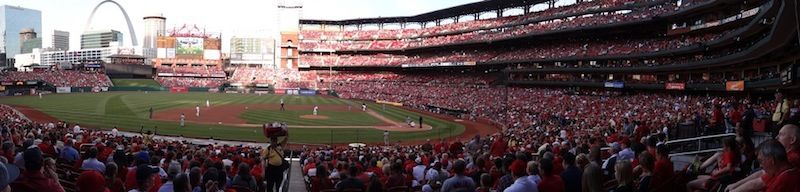
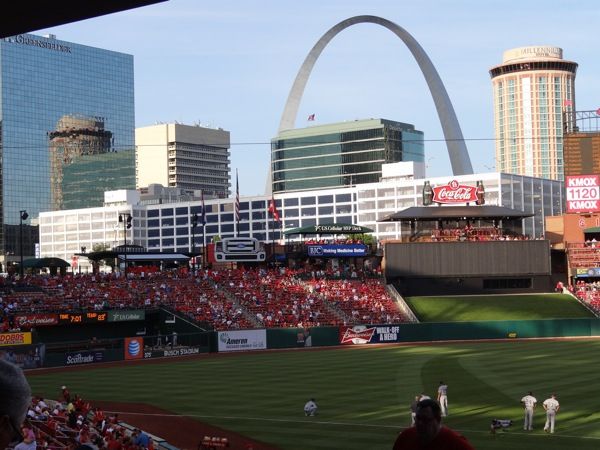
Busch Stadium in St. Louis

As a delayed Mother’s Day present my kids took me to the ballpark.  A perfect night.

Temperature in the low 70’s at Busch Stadium.

A sea of red in the stands.

St. Louis Cardinals 6, San Diego Padres 3

3 homeruns by the World Champion Cards.

Hotdogs and cotton candy.


What team or teams have you followed since childhood?  Tell me a sports memory in the comments box.
Photobucket


Saturday, May 12, 2012

My Mother Taught Me . . .

5 questions I'd ask

On Saturday night Brad and I had a barbecue for all the graduate students in his department, including their spouses and all their young children, plus assorted faculty members.  The little ones had great fun chasing the dog around, Frisbees and footballs were thrown across the yard, and we had enough chairs and food for all.

When I was growing up I watched my mom host bridge parties, church events, and large family gatherings all the time.  She did it with ease, or at least from my perspective it always ran smoothly.  She taught me how to make everyone feel at home.  She taught me to do the best I can to prepare, but don’t sweat the problems.  I remember one Thanksgiving dinner when our dog was over-eager to get a bite of that turkey dinner.  She knocked the gravy boat with her nose as it was being passed around the table and all that sticky liquid poured down her head.  Even Mom laughed as we just continued on with our celebration (although we were a little short on the sauce for our mashed potatoes).

She taught me that nothing was more enjoyable than opening our home to others.  So whether it’s for 4 or for 50 people, I have no problem volunteering.  And as I bustle around the kitchen setting out the serving trays and counting the silverware I feel her working right beside me.

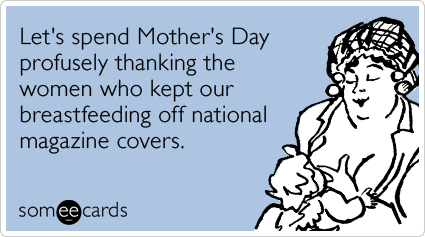
In honor of Mother’s Day, tell us what your mother taught you.  Please share in the comments box.

While thinking of Mom I revisited this post in which I wondered what might have been on her mind even if no one bothered to ask her.  Read it and tell us what would you ask your mother.

5 Questions I’d Ask My Mom

Short of winning the lottery and giving it all to her, I’m not sure what I ever could have done to have honored her properly.  Diamonds?  Brunch at the Ritz-Carlton?  A Wii Fit?  Now that I’ve been a mother for fifteen years, however, I think that maybe the greatest gift I could have given her was my undivided attention as she told me her story.  She deserved to be more of the foreground rather than the background of my life.  If Mom returned here for just one day so that I could get it right, I would make sure I asked her these five questions (in no particular order).
(continue reading)

Photobucket

Friday, April 6, 2012

That Easter Day Was Bright With Crinoline and Tulips

Photobucket
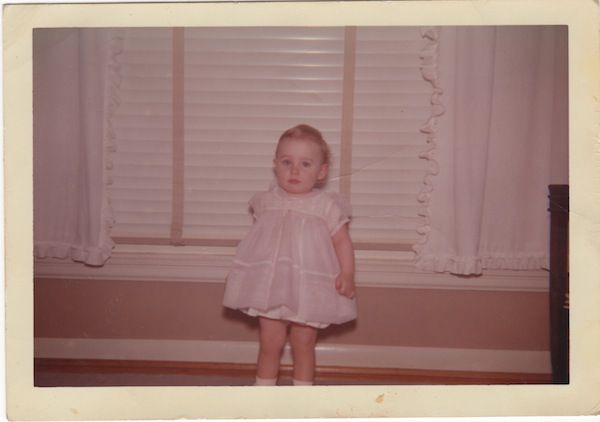
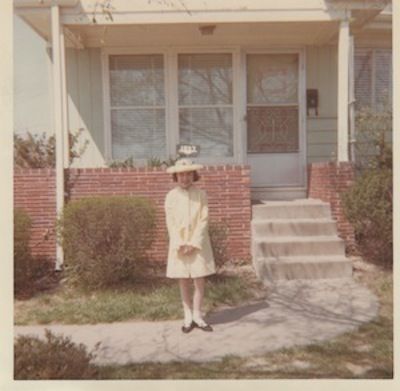
My love of crinoline petticoats started at a young age

Yesterday I walked through the giant discount store shopping for plastic knives and folding chairs for Sunday’s family gathering.  However, the children’s clothing section stopped me for a moment.  I briefly fingered a white dotted Swiss bodice over overlapping layers of lace trim in a skirt enhanced with a bit of crinoline.  The empire waist was a peach sash set off with a large peach and yellow flower pinned to the satin trim.  Sometimes I think that Easter Sunday was invented so little girls would dress in crinoline and lace, with ruffled socks and black patent Mary Janes on their feet.

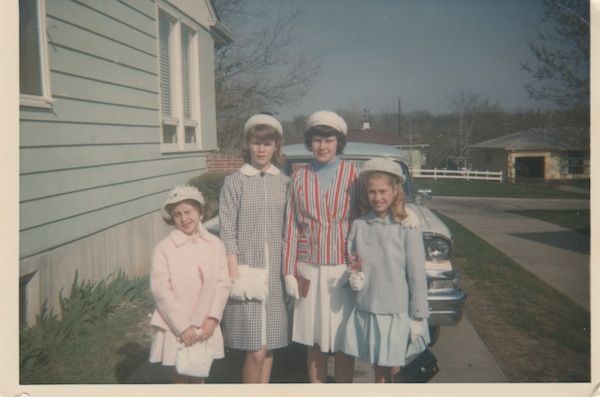
My mother had four girls to dress each Easter.  That was the time of year when we bought our new patent-leather church shoes that would see us through the rest of the year.  Each Sunday morning I’d pull out a Kleenex and the Vaseline to work that clear jelly into my shoes until they gleamed.  With four girls, Mom couldn’t always afford the glamorous Easter dresses on display in the department stores.  The ones that flounced all the way out to there and that were made in colors that looked like a bouquet of tulips out of Mom’s garden announcing Spring’s arrival.  They came decorated with smocking, or lace, or a rainbow of grosgrain ribbon.

I loved the years we got a store-bought Easter outfit because that frequently included a new petticoat.  I always chose a dress with a large bow tied in back, with the trailing tails resting on a skirt that had a diameter that could have easily been 3 feet.  I’d top it off with a wide-brimmed straw Easter bonnet decorated with a matching organdy bloom or other colorful trim, all held on over my Easter curls with an elastic strap under the chin.
 
Note the trés fashionable white gloves
Photobucket

But we didn’t suffer in the years Mom couldn’t give us store-bought dresses.  Those years we’d hit the fabric stores.  Mom would find a single McCall’s or Butterick pattern that looked good on all of us.  We would each get to choose our own material, and then she would stay up to ungodly hours for weeks before the big day, sewing four matching outfits.  My favorite ever was the year she made us simple sheath dresses with matching spring coats.  I chose yellow for the coat and skirt of the dress.  The bodice was a white with yellow vertical stripes.
 
Easter in yellow
Photobucket

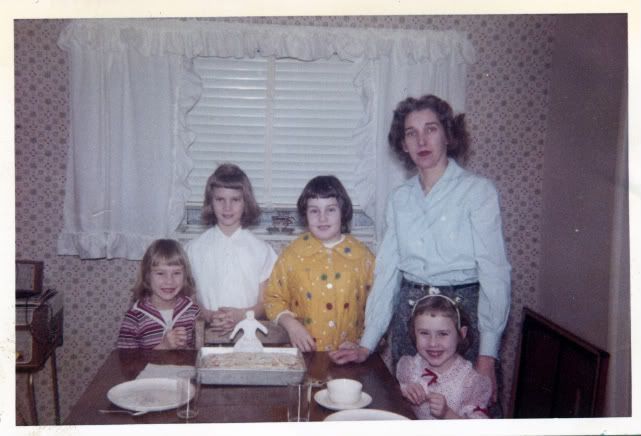
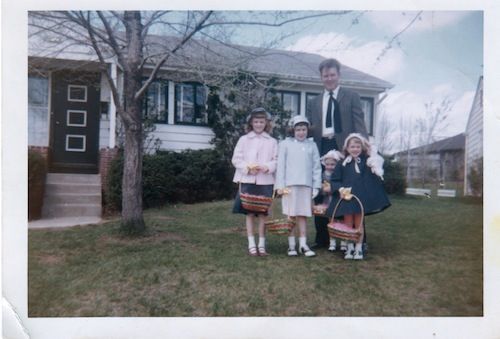
It’s astounding to look back and realize what Mom undertook to make us look so beautiful when we lined up on the sidewalk in front of the house for our annual Easter photo – bonnets and Easter baskets and white gloves included.  I slept through her labors.  And it wasn’t just at Easter I did that.  After working in an office all day, cooking dinner, seeing us through homework and Girl Scouts and music lessons and then to bed, she began the third shift of her day.  Perhaps she made the cupcakes one of us needed for a class party.  Or as I headed of to sleep I might leave her sitting on the floor of the living room, straight pins in her mouth as she draped fabric over a chair and chalked the lines she would cut and sew to make a new slipcover.  Or my bedtime might mark the beginning of the never-ending laundry cycle for a family of six.  Or she was brushing all the mats and tangles out of the long hair of our dog, Pandy.

For Christians, the weekend from Good Friday to Easter is a time of remembrance, reflection, and ultimately celebration.  My sisters’ families and mine still come together to feast on that Sunday, although my sister Melinda finally said aloud this year that we should stop saying we’re getting together for Easter because the only thing marking the holiday is the candy dish filled with pastel M&M’s and the number of Peeps we’ve eaten leading up to the holiday.  I’m the only one still going to church regularly.  We should just say we’re having a birthday lunch because her birthday usually falls sometime around Holy Week and our meal always includes a big coconut-iced cake and candles for her.

Although she may think we’re not celebrating Easter anymore, she’s wrong.  We will remember the eggs Mom boiled perfectly so we could dip them in a solution of vinegar and food coloring.  We’ll remember the dinners she made on that day that were shared with grandmothers, grandfathers, beloved aunts.  We’ll laugh over every picture we took on that front sidewalk and our favorite Easter couture.  We’ll reflect on what a blessed childhood we had and celebrate the family we’ve been given.  With a bounty of spring tulips on the table we’ll sing (at least in our hearts) “That Easter day with joy was bright.”

Do you have any favorite Easter (of Passover) memories?  What is your favorite food or ritual you practice for the holiday?  If you celebrate neither of these holidays, do you have a favorite ritual or food to celebrate that winter has finally left and spring as come?  Share all in the comments box and have a beautiful weekend of remembrance, reflection, and celebration in your own fashion.
Photobucket

And today I’m also remembering a few blog posts that brightened my past week:

"Never let today's urgencies rob you of today's chance to seed your future."  Read the post by Scrollwork to see what led her to such wisdom.

Tami Clayton eats ice cream bigger than her head and panics over child safety issues at a playground in Morocco.

Nancy Hinchliff interviews Teresa Rhyne about her soon-to-be-published book The Dog Lived (And So Will I) about cancer diagnoses she and her four-legged friend shared.

Leah Singer is the uber-creative Mom I never could be.  This time it’s about including your children in Passover planning.

Wednesday, September 7, 2011

A Cooking Lesson -- Who Wants Pie?

cooking 9/7/11
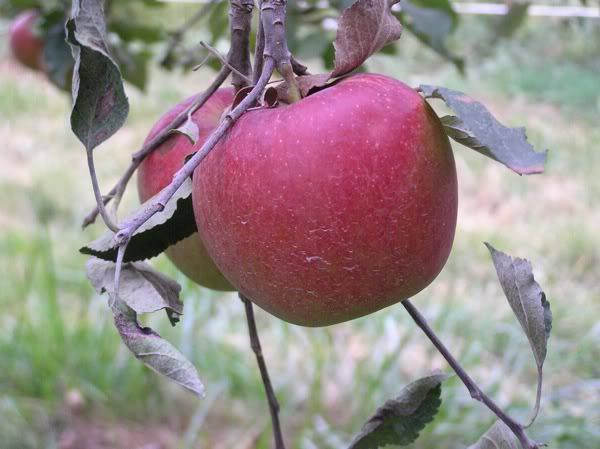
For the younger generation, this is what real food looks like before it's been processed.  It's called an "apple."


Perhaps I should call this post “Beans and Rice Redux” as a sequel to my last post.  Or perhaps “What the Heck is ‘Girl Scout Stew’?” based on questions in the comments box.  My original post topic for today had been about going apple picking.  But all of those food-focused ideas were trumped by Helen Zoe Veit’s rally call for an old-fashioned home economics class.

Last week my ancient microwave blew, exploding a spaghetti squash in the process.  Until I replaced it a few days later, the younger generation in my house didn’t eat anything unless I cooked it.  You know, it just takes too much effort to put an egg in a pot of boiling water and wait for two minutes, or wash blueberries and add them to a bowl of yogurt and oat flakes.  And, whoa, do you have any idea how long it takes to make a grilled cheese sandwich?  You could probably watch two out of the three Lord of the Rings movies before the cheese began to melt.  And where’s the butter anyway?

For me, my home ec class was Mrs. Cox – she of the very large size and very small face.  I figured that she was forced to learn to sew because she couldn’t find anything to fit her after eating everything these 7th grade girls cooked (hey, sorry, I was an uncharitable 13 year old).  The only thing I remember cooking was pancakes.  Maybe we did more, but my mind was more on the epic sewing battle that raged that semester.

At this age, my Grandma would have been on her way to supporting herself as a professional seamstress (or, as they would have called it back then, “just a seamstress”).  She began to teach me to sew as soon as my legs were long enough to work the knee pedal on the machine.  From her I learned shortcuts for fitting, marking patterns, and so on.  When I applied all of that knowledge on my blue A-line dress I was making for home ec, Mrs. Cox graded me down for not using the more basic techniques she was teaching.  She didn’t care what I had learned from a lifelong expert; she wanted it done her way.

The most important lesson I learned in that class came from my mother.  She told me to do it Mrs. Cox’s way just this one time.  Some battles weren’t worth fighting.

I didn’t need a home economics class because I began cooking in my mom’s and grandma’s kitchens, standing on a stepstool with an apron tied up under my armpits.  As Veit points out, in this era of obesity the younger generation doesn’t know what real food is.  It’s all processed food and drive-thrus.  Many children have never eaten chicken that isn’t breaded and shaped into bite-sized nuggets.  And what’s a turnip?  What’s paprika?

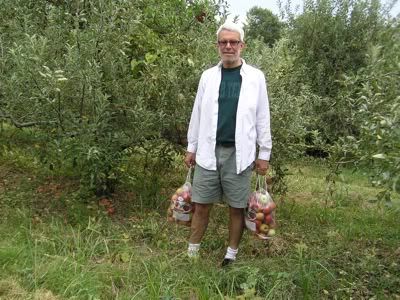
Brad hauling our apple-picking bounty (an hour to drive to the orchard 
and ten minutes to pick)
cooking 9/7/11

After all, what’s more fundamental to a lifelong education than knowing how to feed yourself?

Learning to cook is about more than food.  It’s about savoring the pleasures of something you created.  It’s about sharing.  It’s about family history.  It’s about conversations and memories.  No home ec class I know could ever teach you that.  But still, they could teach you that what’s worthwhile sometimes requires more than 90 seconds of preparation time.

So all that said, I’m leaving you with two recipes that you never would get in a home economics class:  Girl Scout Stew and Bertha Farrar’s 1-2-3 Pie Crust. Bon appétit!

Girl Scout Stew
There are no measurements to this.  It was all about how much we could pack for the camping trip and how big our pot was.  All ingredients can be altered to suit your taste and needs.

ingredients
-1 lb. ground beef
-2 cans Campbell’s vegetable soup (I’ve never dared try any other brand; the texture of their soup and simplicity of their ingredients suits me for this recipe)
-chopped onions (I always use frozen chopped onions)
-minced garlic, to taste
-salt and pepper, to taste
-basil and oregano, optional

Brown the ground beef in a skillet.  Drain grease.  Add the onions and garlic and cook a bit.  Add the soup.  You might decide you want to add ½-1 can of water.  Or you might want to add more soup.  You also might like to add some spices.

You can make it basic, like this, or you can fancy it up.  But whatever you do, don’t make it like work.  And it’s a simple recipe for teaching your own children to cook.

The original pie crust recipe.  Click thumbnail to enlarge
 cooking 9/7/11
Bertha Farrar’s 1-2-3 Pie Crust
It wasn’t until I was a young bride that I finally asked Grandma the secret to her perfect pie crust.  She reached into her recipe box and pulled out an old magazine page from the 1940’s promoting a new product called “Mazola Corn Oil.”  They created this recipe to entice the old Crisco crowd.  For deep dish pies I increase the measurements by 50%.  The recipe makes a single pie crust.

I made my first apple pie of autumn over the Labor Day weekend and it was fabulous.

ingredients
1 c. plus 2 T flour
½ teaspoon salt
1/3 c. Mazola corn oil
2 T cold water

Mix flour and salt.  Blend oil in thoroughly with fork.  Sprinkle all of the water over the mixture; mix well with fork.  Press dough firmly into ball with hands.  If too dry, add 1-2 teaspoons more oil.

Roll bottom curst and fit into pan.  Fill with fruit filling of choice, then trim even with pan edge.  Mix and roll top pastry.  Cut slits and place over filling. Trim ½ inch beyond pan edge, fold under.  seal and flute.  Bake 35-45 minutes at 425º (50-60 for fresh apple).

Note: I sometimes turn it down to 375º and cook a little longer because my stove runs hot.

Any cooking stories to share yourself?  Tell us in the comments box.
Related Posts with Thumbnails